Tue, Nov 3 · 6:00 PM
Regular Meeting of Yakima County Fire Protection District 14 Fire Commissioners
See the full calendar for event details.
Nile-Cliffdell, Washington
Fire, medical, wildland, and rescue response—powered by neighbors who answer the call.
Mountain communities.
Local knowledge.
Four stations.
One department.
Coming up
The next four department events open to the public.
See the full calendar for event details.
See the full calendar for event details.
See the full calendar for event details.
13670 WA-410, Naches, WA 98937, USA
District information
Washington DNR and WDFW are planning the Meloy Cooperative Prescribed Burn as conditions permit. Smoke may be visible while crews reduce hazardous fuels and improve forest and wildlife habitat.
Read the full updateThe Fighting 410s
It needs neighbors willing to train, serve, and answer the call. Discover firefighter, EMS, support, and cadet pathways—and see exactly what happens after you apply.
Find your way to serveServing our community
A volunteer fire-rescue organization shaped by mountain roads, rivers, recreation, seasonal population, and the wildland–urban interface.
Structure protection in a mountain and wildland–urban interface district.
Explore fire suppression ↓Neighbor-to-neighbor response across the SR 410 corridor.
Explore emergency medical ↓Local knowledge, initial attack, and regional mutual aid.
Explore wildland response ↓Vehicle, water, technical, and public-assistance response.
Explore rescue capabilities ↓Fire suppression
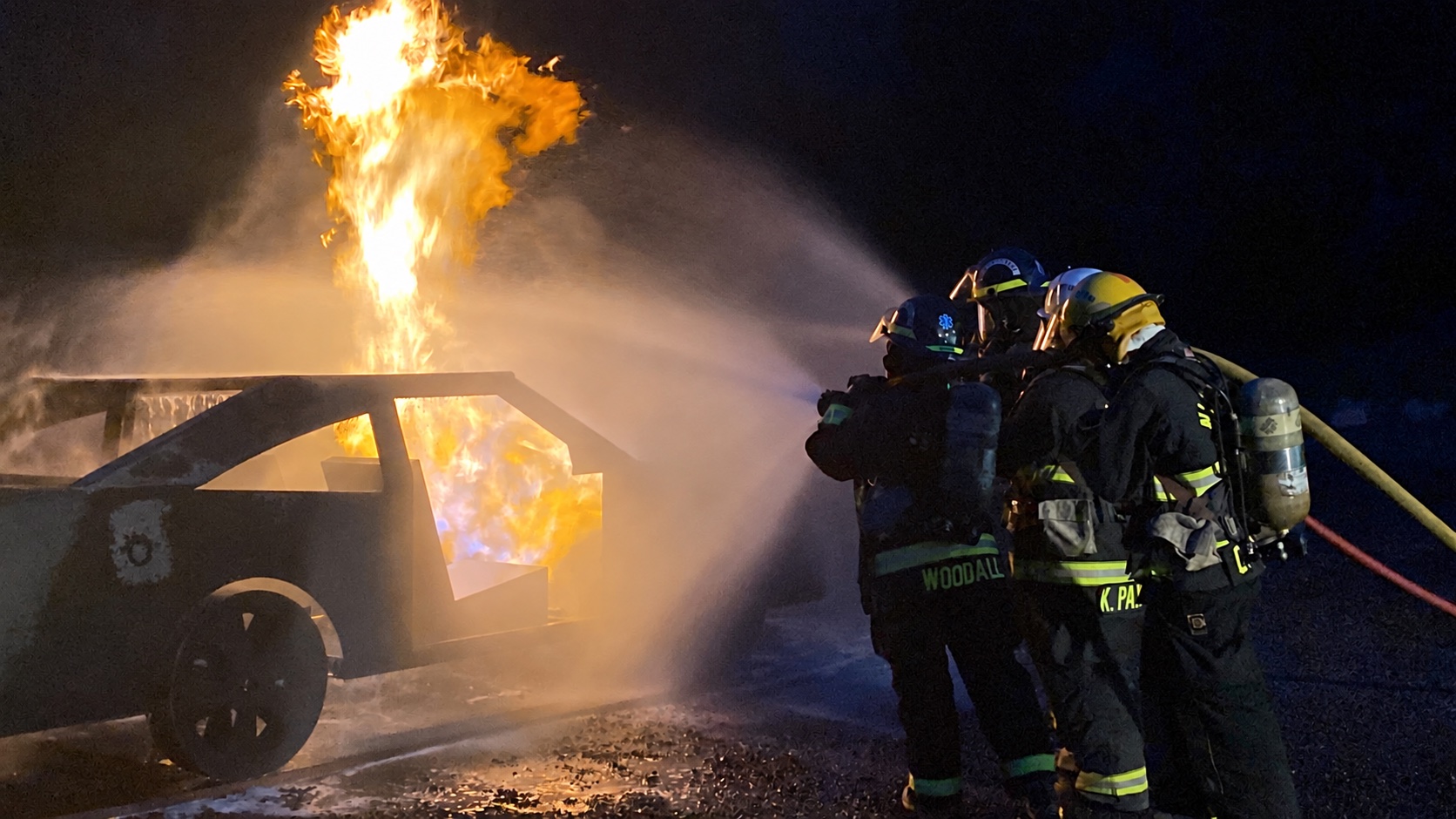
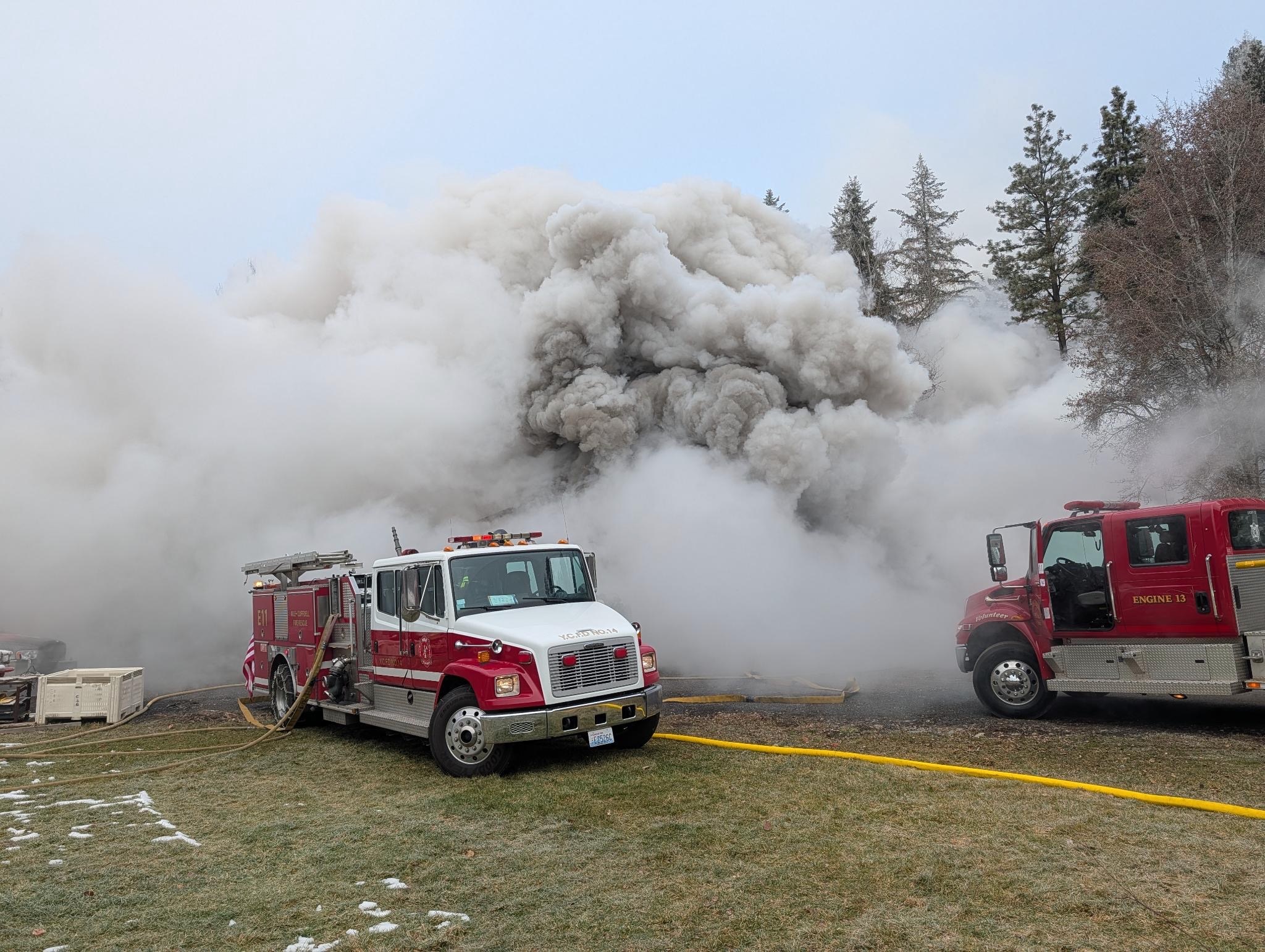
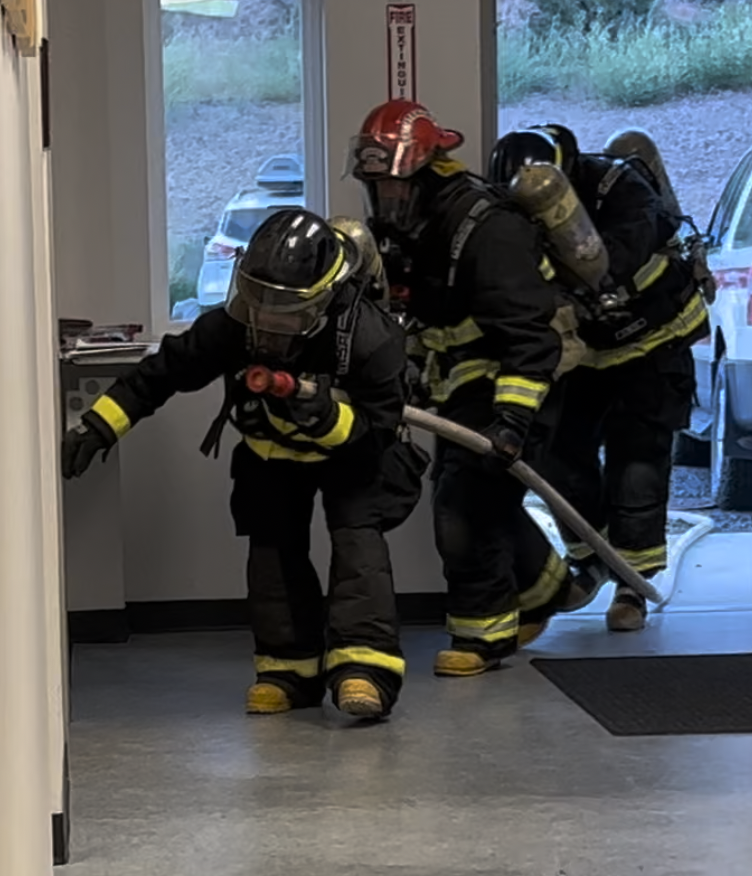
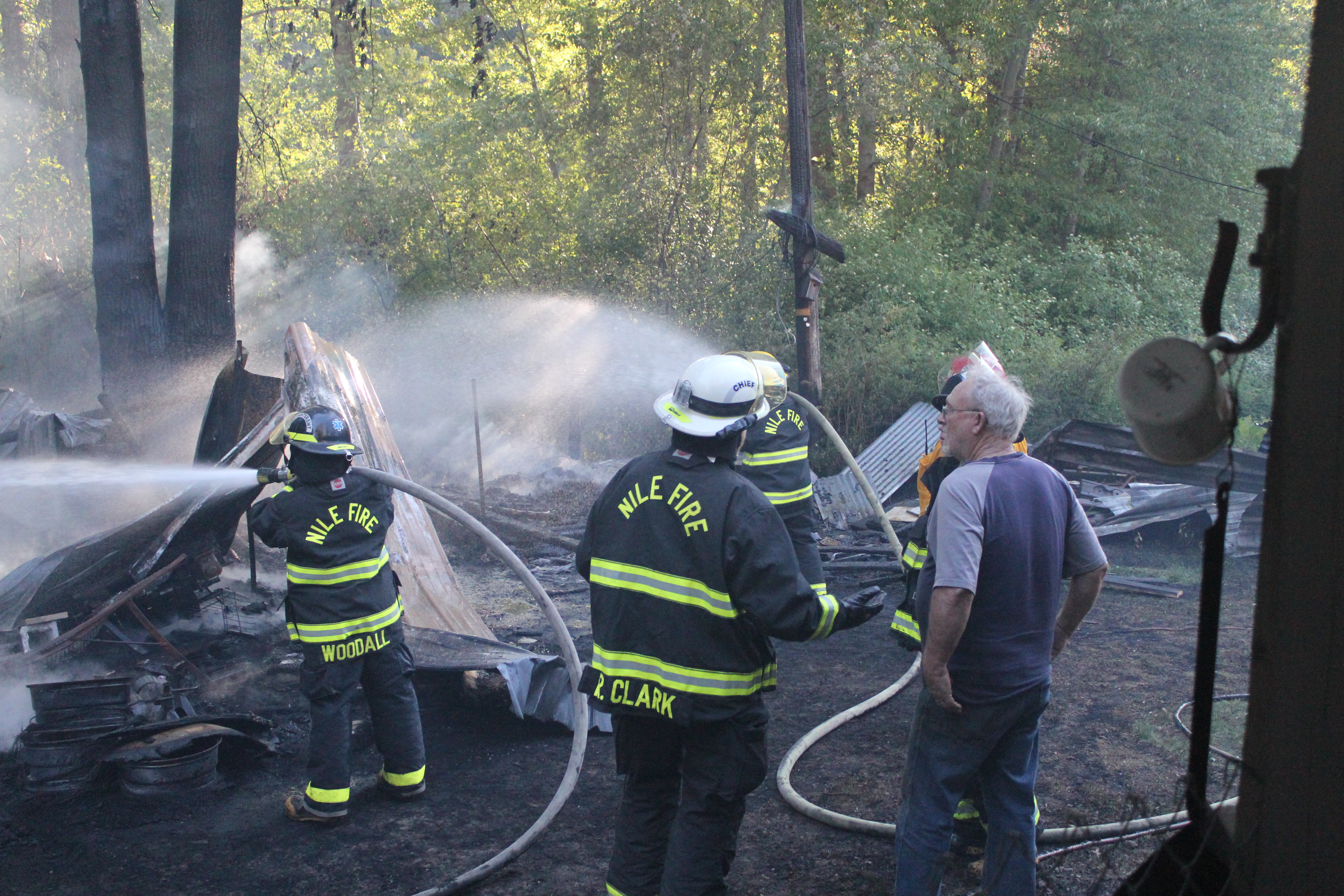
Structure fire suppression is a race against time. In our mountain district, long travel distances, volunteer response, limited hydrants, winter weather, narrow roads, and buildings surrounded by timber can complicate the first minutes of an incident. Our firefighters train to arrive, establish command, identify life hazards, secure a water supply, and put a coordinated attack in motion.
The work does not end when the visible flames are gone. Search, ventilation, exposure protection, salvage, overhaul, and monitoring for hidden fire are all part of protecting lives and limiting loss. When an incident exceeds local resources, we work alongside our mutual-aid partners as one coordinated team.
Identifying occupants at risk, controlling immediate hazards, and organizing a focused search when conditions permit.
Establishing command, advancing hose lines, and matching tactics to fire conditions, building construction, and available staffing.
Building a dependable water supply with engines, tenders, drafting sites, and portable tanks where hydrants are limited or unavailable.
Managing heat and smoke while protecting nearby buildings, vehicles, vegetation, and other threatened property.
Protecting belongings when possible, finding hidden fire, and reducing the chance of rekindle after the main body of fire is controlled.
Emergency medical
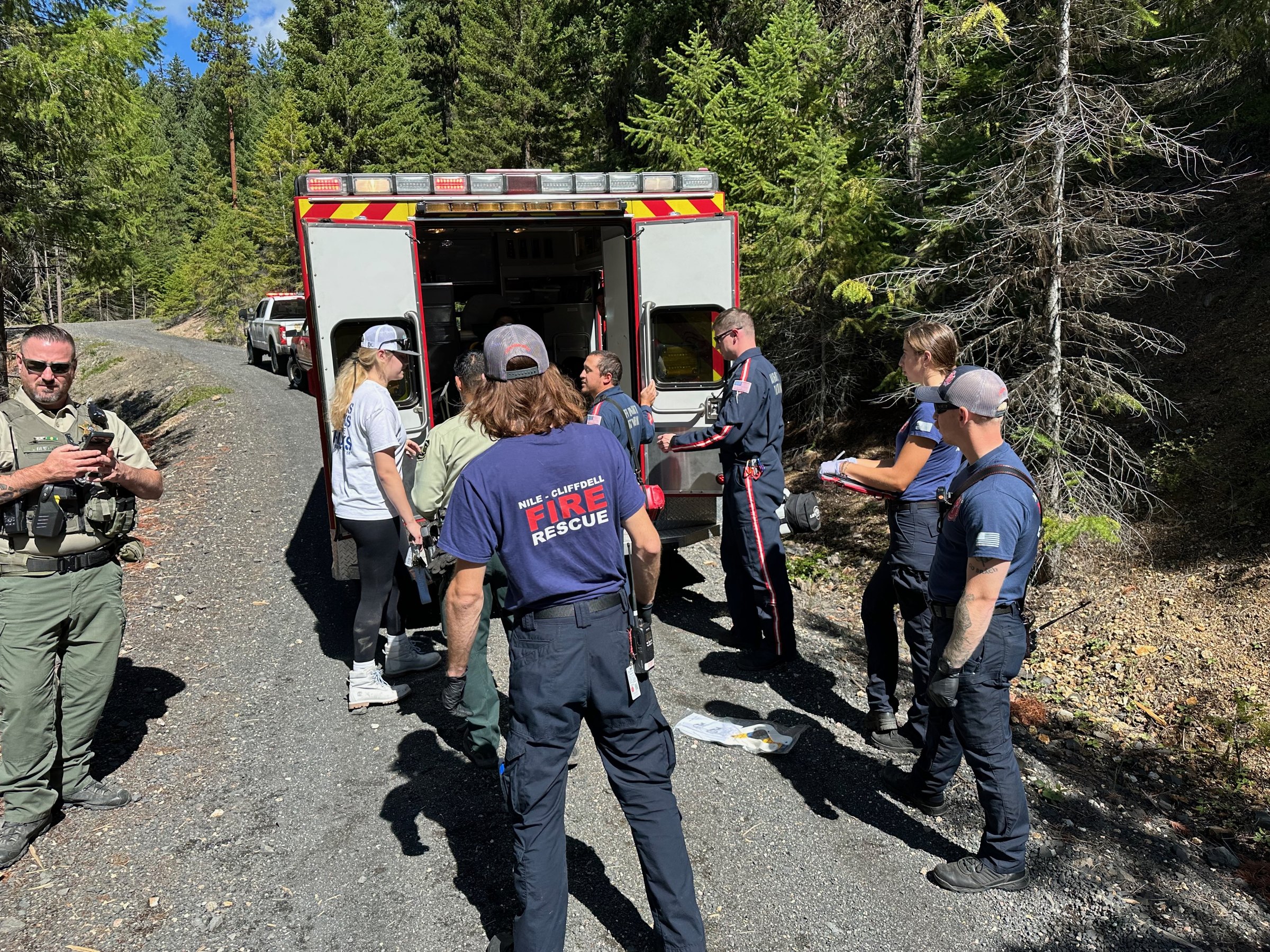
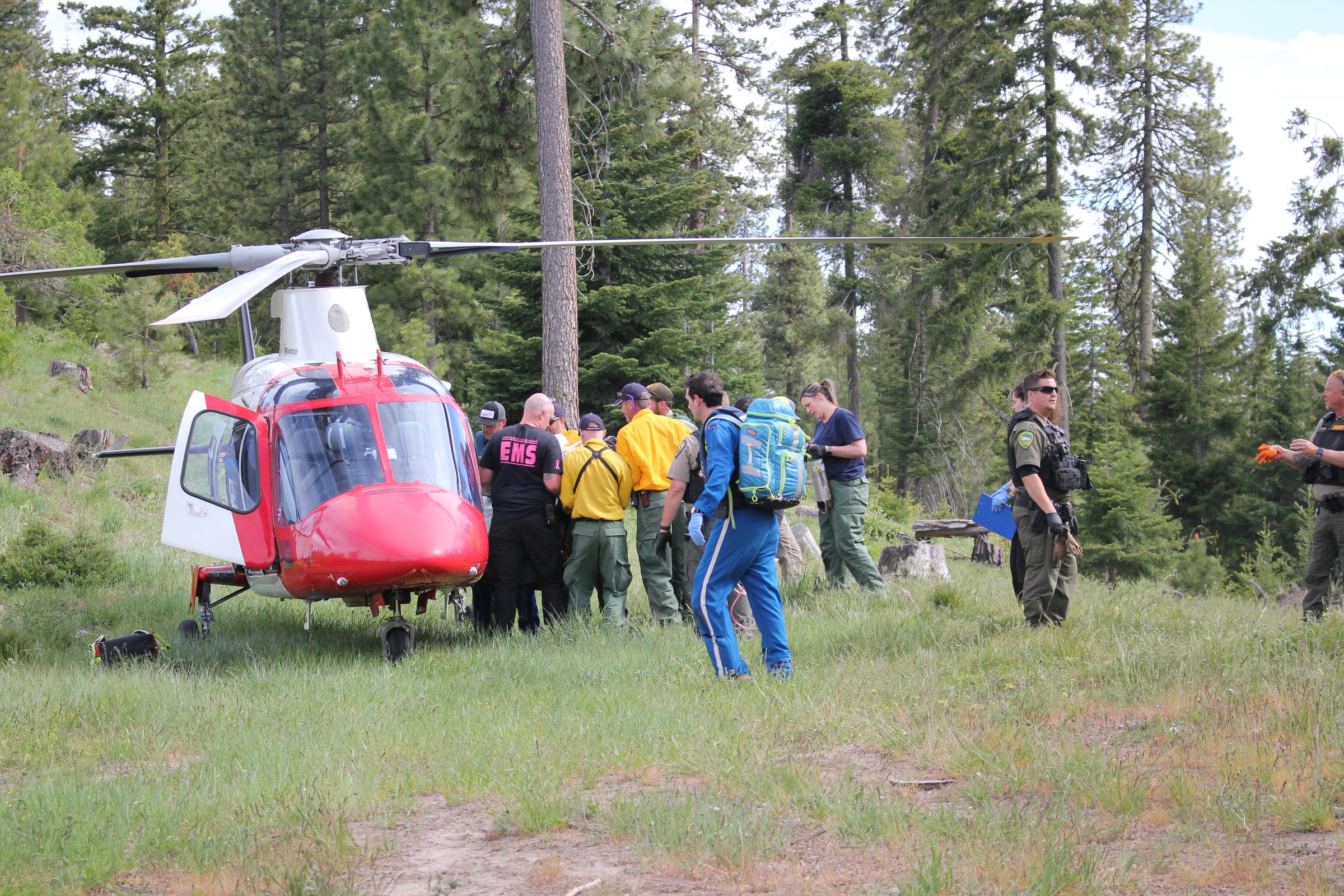
Emergency medical response is a central part of serving Nile-Cliffdell. A patient may be miles from definitive care, beyond paved roads, in severe weather, or visiting a recreation area they do not know. Our responders bring calm, compassionate care to the patient’s side, assess what is happening, begin treatment, and organize safe movement and transport.
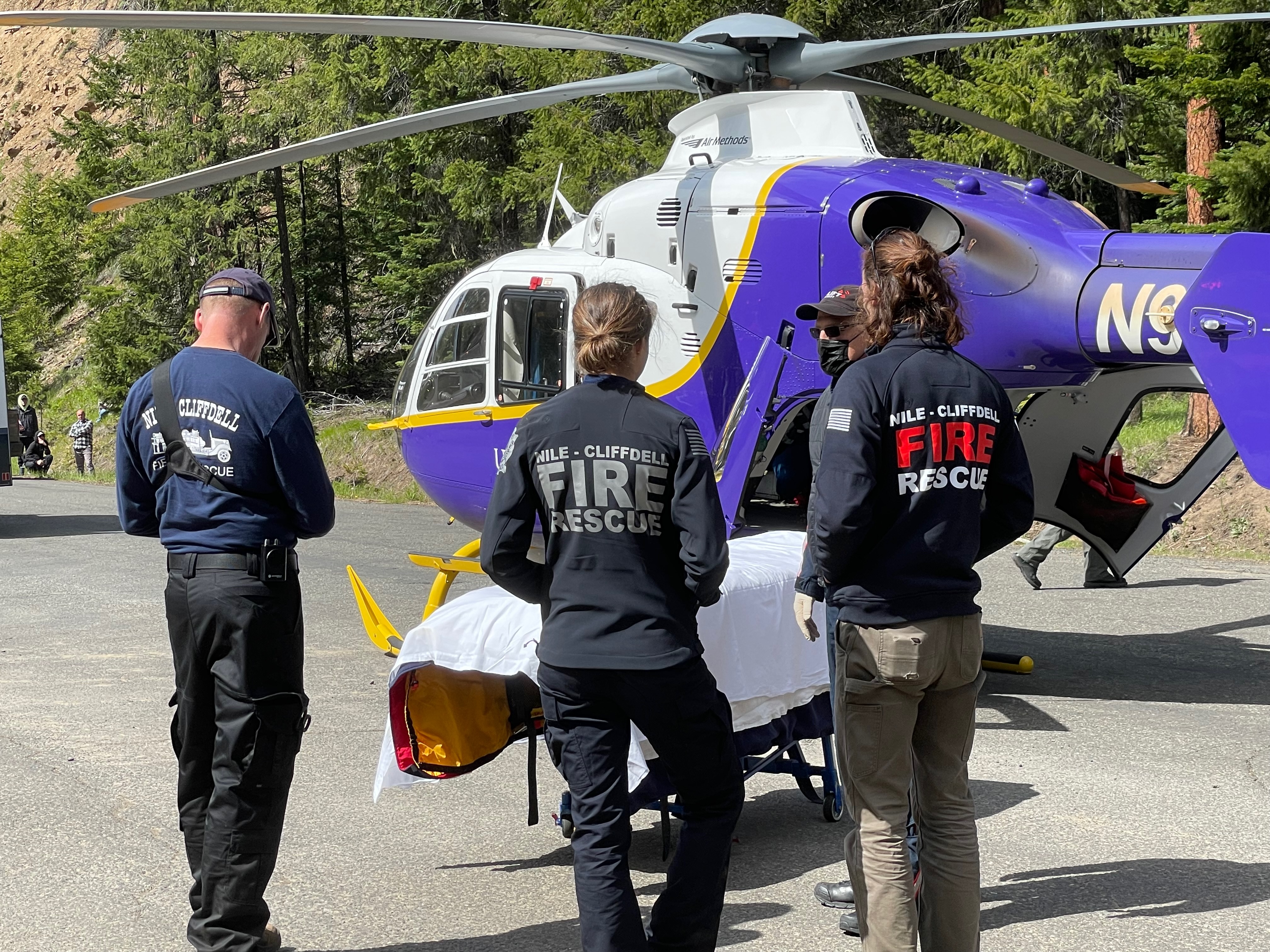
Our volunteer EMTs prepare for sudden illness, traumatic injury, cardiac arrest, and complex incidents involving difficult access or multiple agencies. District ambulances provide patient transport, while coordination with neighboring EMS and air-medical teams helps connect patients with additional care when time, distance, terrain, or their condition demands it.
Assessing illness, recognizing time-sensitive conditions, beginning treatment, and supporting patients through transport.
Controlling immediate threats, protecting injured patients, and preparing them for safe movement after crashes, falls, and other emergencies.
Adapting patient care and movement to forest roads, recreation areas, winter conditions, flooding, and locations beyond normal ambulance access.
Providing continued care on the road and coordinating an efficient handoff to the appropriate receiving medical facility.
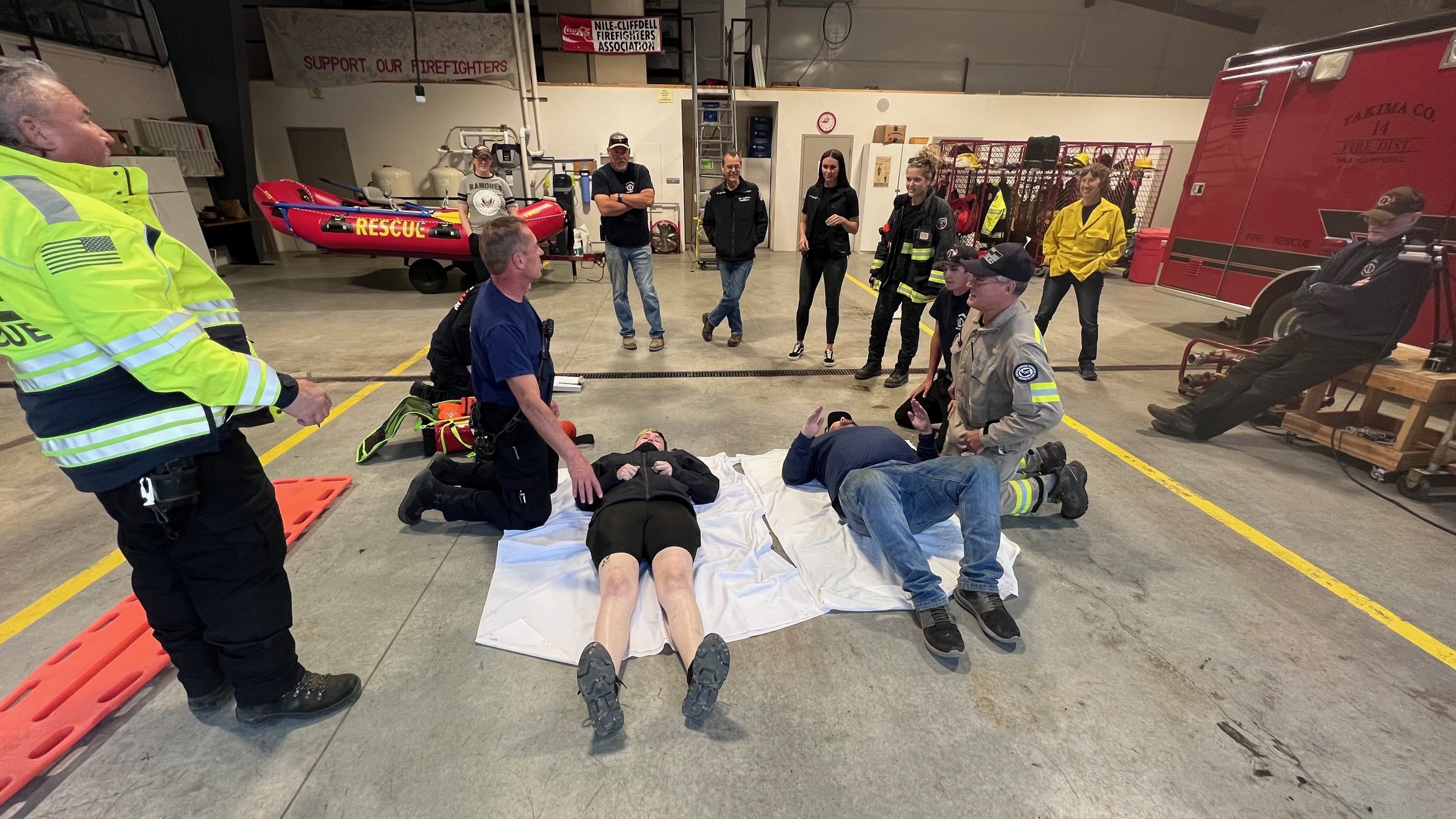
Practicing patient assessment, CPR, teamwork, packaging, communications, and high-risk scenarios before the real call arrives.
Wildland fire
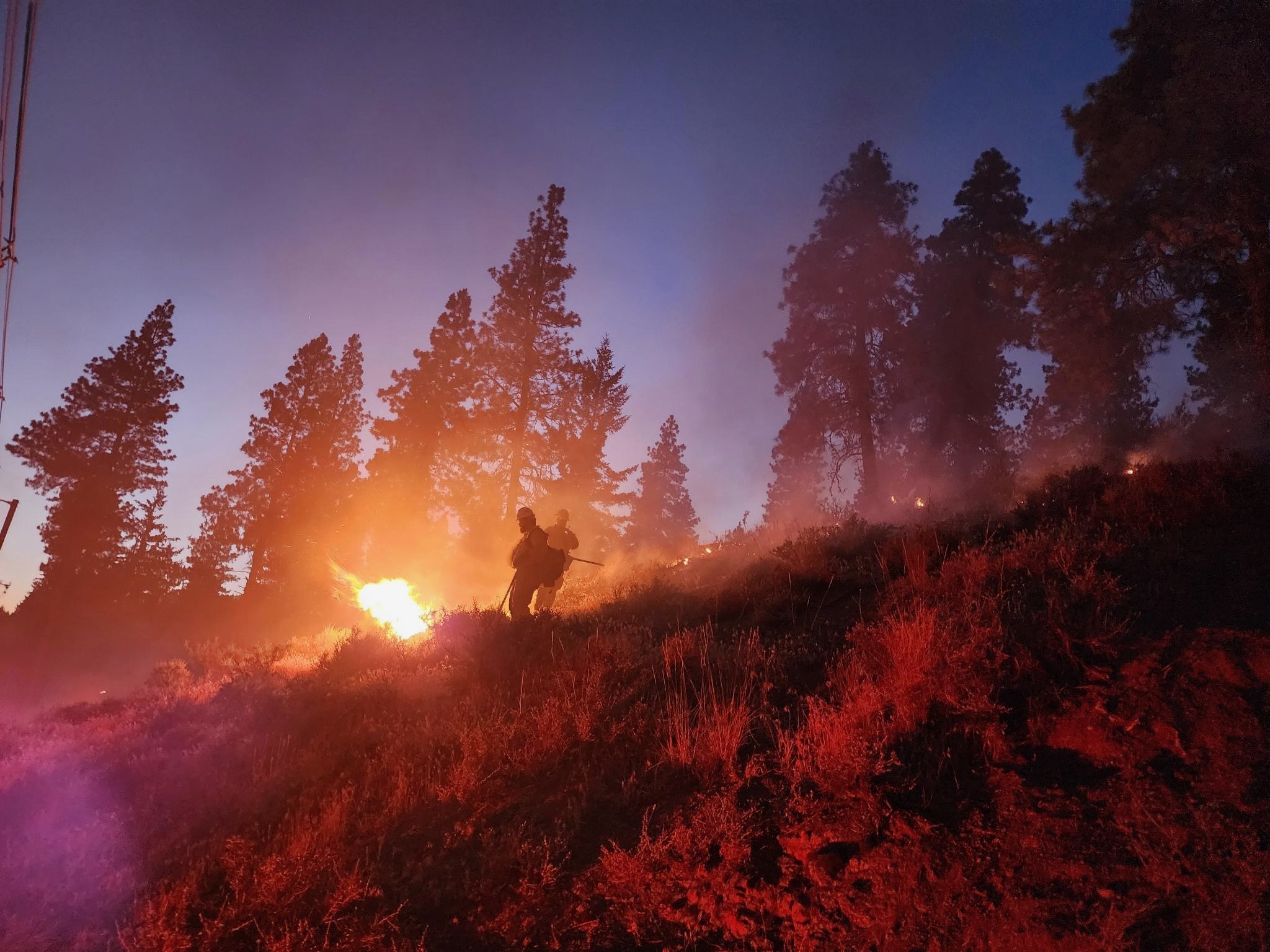
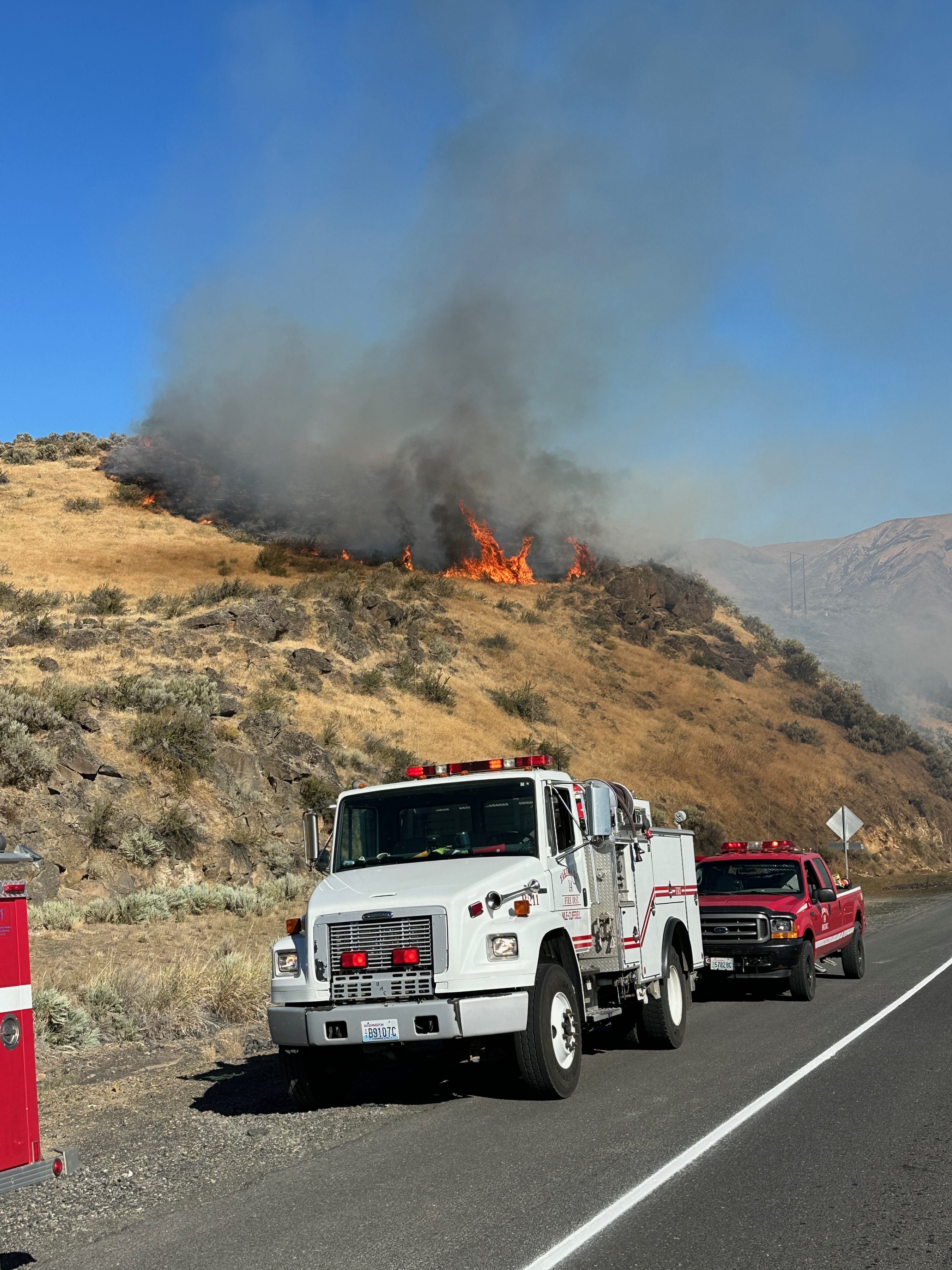
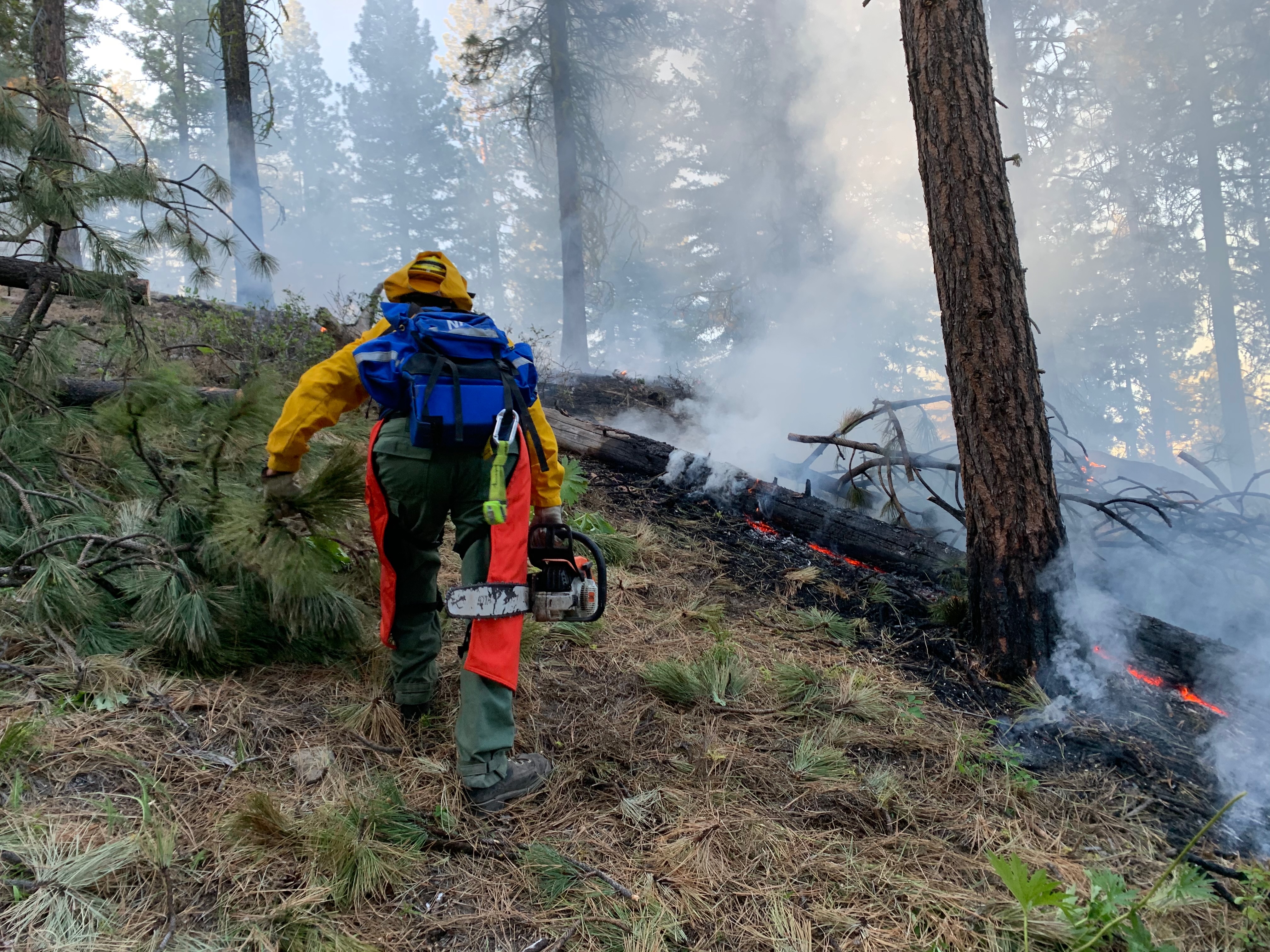
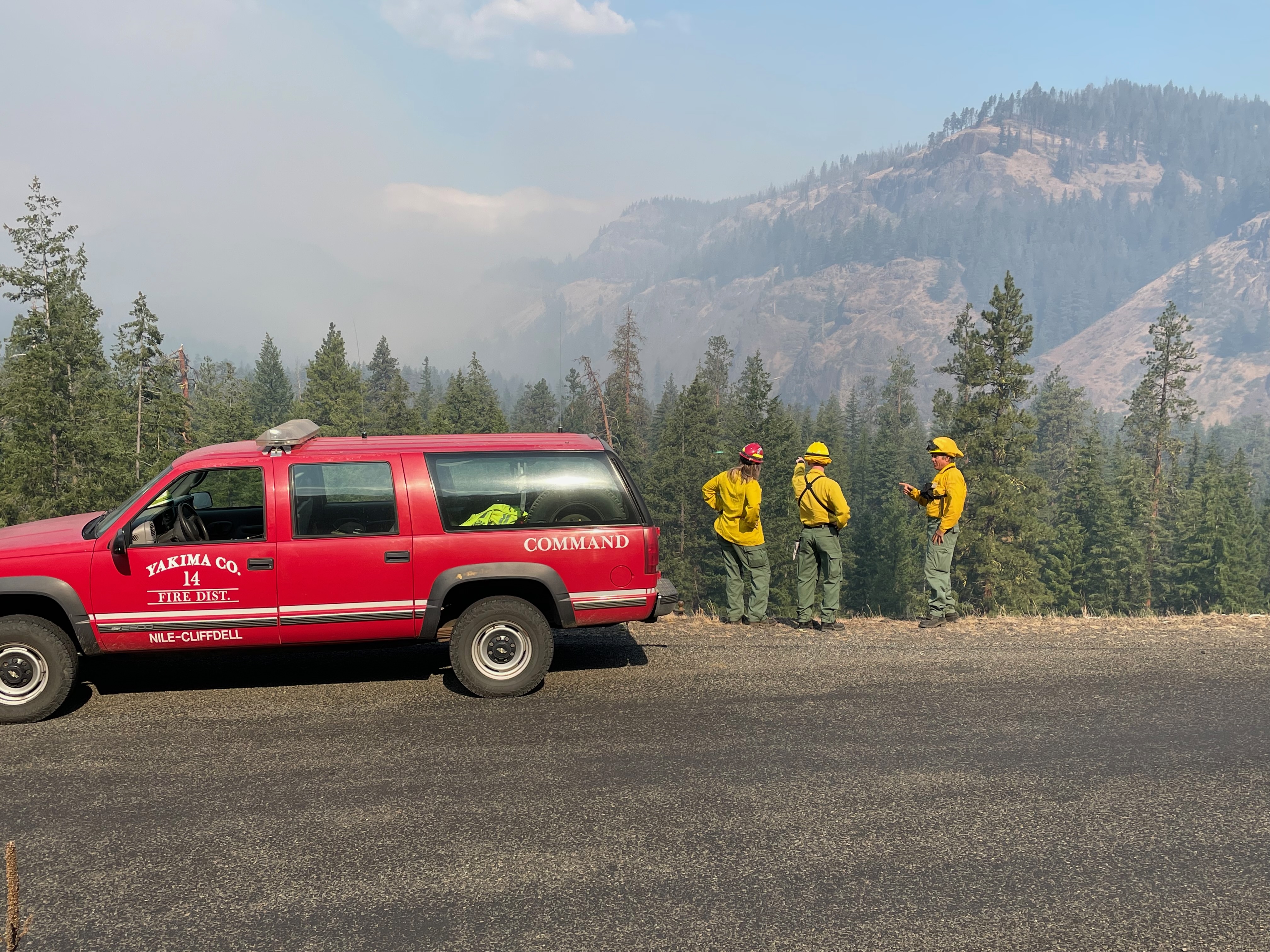
Wildland fire is inseparable from life in Nile-Cliffdell. Much of our district lies in the wildland–urban interface—the place where homes, businesses, roads, utilities, forest, and brush occupy the same landscape. A fire can move from vegetation toward structures, threaten evacuation routes, and change quickly with wind, slope, fuel, and weather.
Rugged terrain compounds every problem. Steep slopes can accelerate uphill fire spread; narrow forest roads and limited turnarounds restrict apparatus access; and remote drainages can stretch water supply, communications, and staffing. Local knowledge of roads, terrain, water sources, and the people and property at risk is as important as hose and hand tools.
Moving quickly to size up the incident, establish priorities, and keep a small fire from becoming a larger one when conditions allow.
Evaluating homes and access routes, reducing immediate hazards, and positioning resources to protect lives and property.
Combining engines, brush apparatus, UTVs, hose lays, hand crews, and local road knowledge to work beyond pavement.
Using engines, tenders, drafting locations, and portable water operations where hydrants are limited or unavailable.
Working within the incident command system alongside mutual-aid partners and regional, state, and federal resources.
Technical rescue
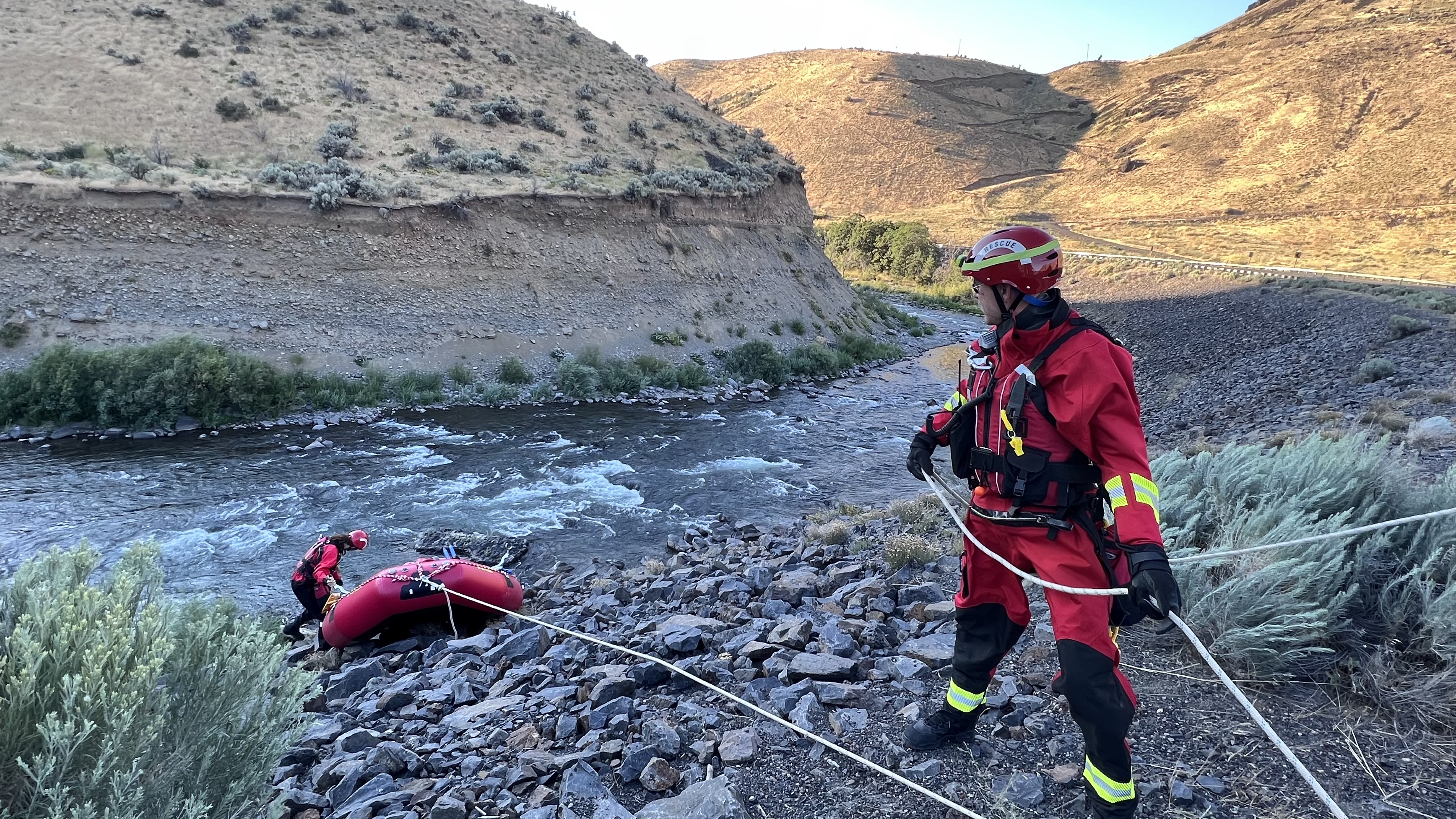
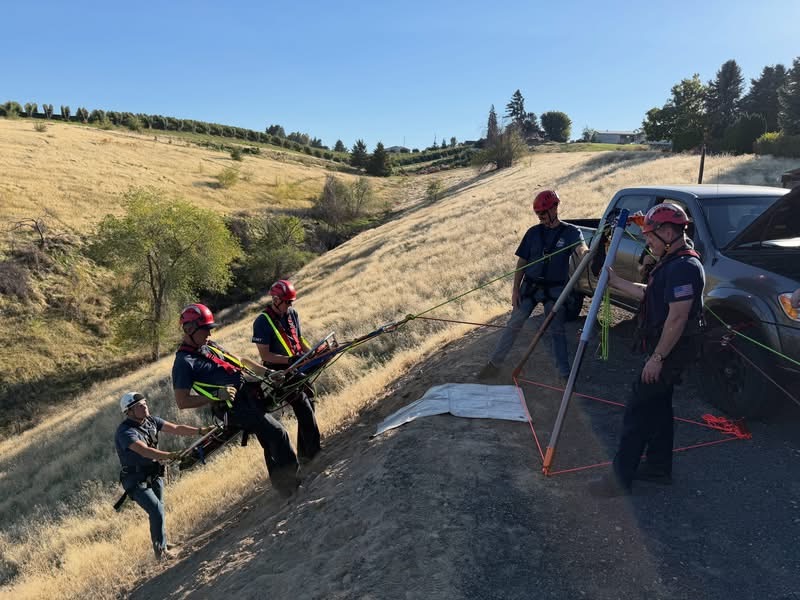
Technical rescue is the work of reaching, stabilizing, and safely removing people from incidents where ordinary access and equipment are not enough. In Nile-Cliffdell, steep slopes, fast water, remote forest roads, winter conditions, cliffs, and long distances can turn a routine emergency into a complex rescue. Rescue training is not a specialty kept at the edge of our mission—it is part of serving our mountain home.
Our members prepare to work alongside neighboring agencies, law enforcement, air-medical crews, and specialized regional teams. We bring local terrain knowledge, adaptable equipment, and the ability to begin solving the problem while additional resources are still coming.
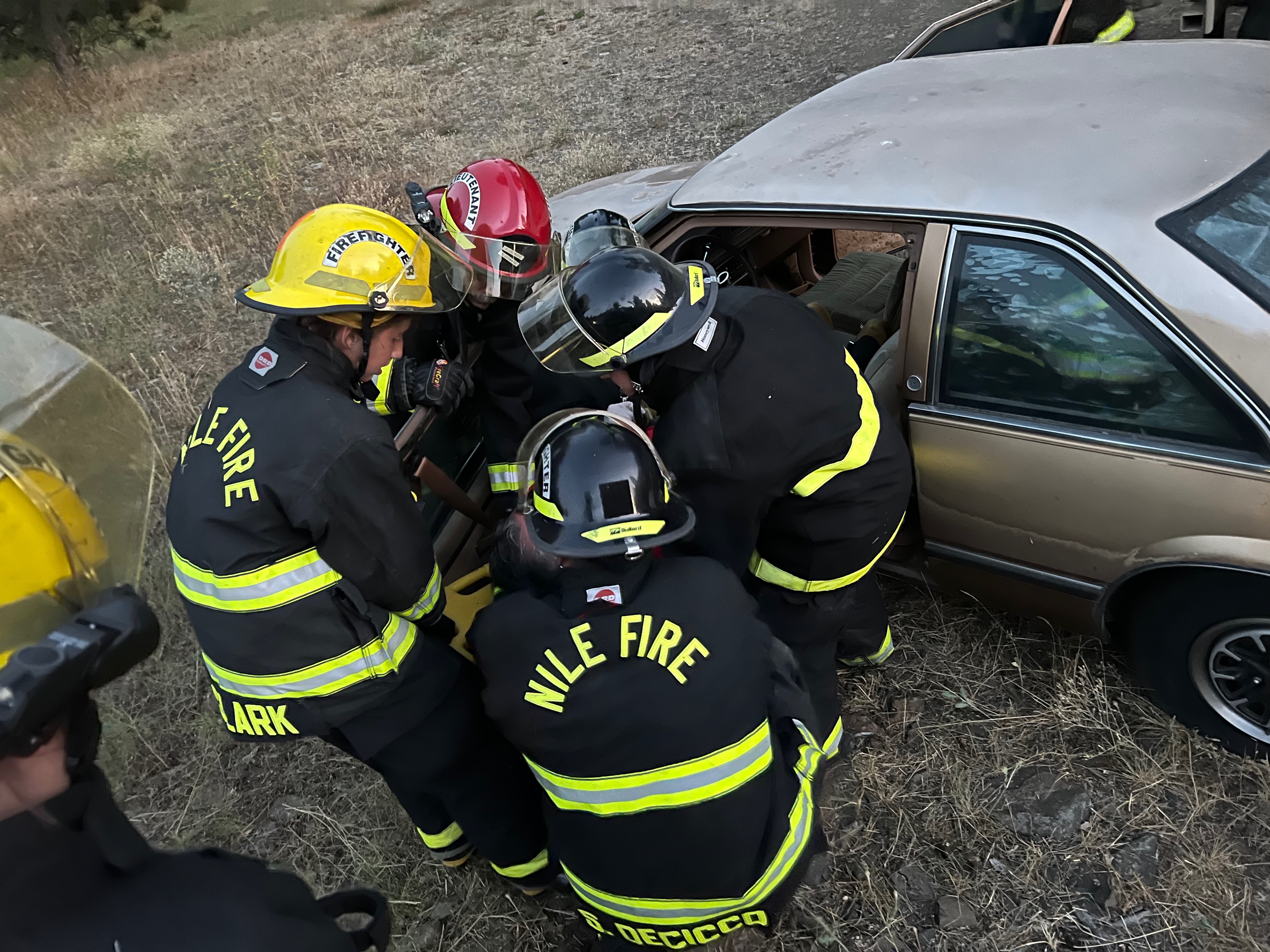
Stabilizing damaged vehicles and creating safe access to patients after crashes on highways, forest roads, and steep terrain.
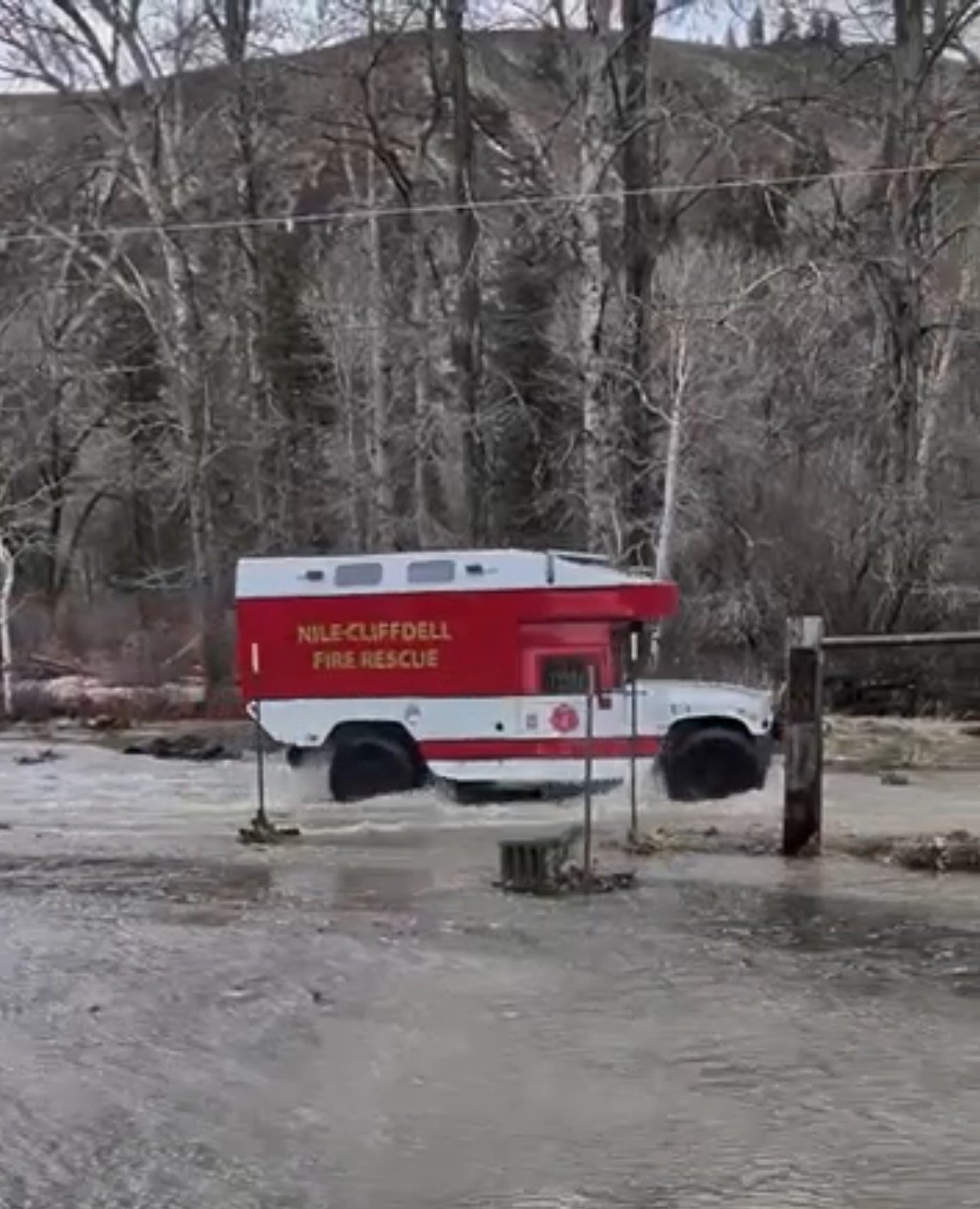
Reaching and moving injured or stranded people where ambulances cannot travel, using four-wheel-drive and UTV resources.
Rope systems, high-angle access, litter operations, and coordinated air-medical transfer in remote, steep, or exposed terrain.
Operating around swift water, unstable banks, and cold-water hazards to support safe access, rescue, and patient movement.
Recognizing hazardous conditions, isolating the area, protecting the public, and coordinating specialized hazmat resources.
Stay informed
District notices and community updates, delivered without the noise.
Support the mission
The Nile-Cliffdell Firefighters Association is a separate support organization. Merchandise and donations route through the association; public services and governance remain with Yakima County Fire District 14.
Visit the Firefighters’ Association